
Ground-Level Full Concrete Substations
Introduction to Ground-Level Full Concrete Substations
Safe, durable, and ready for installation in power distribution networks
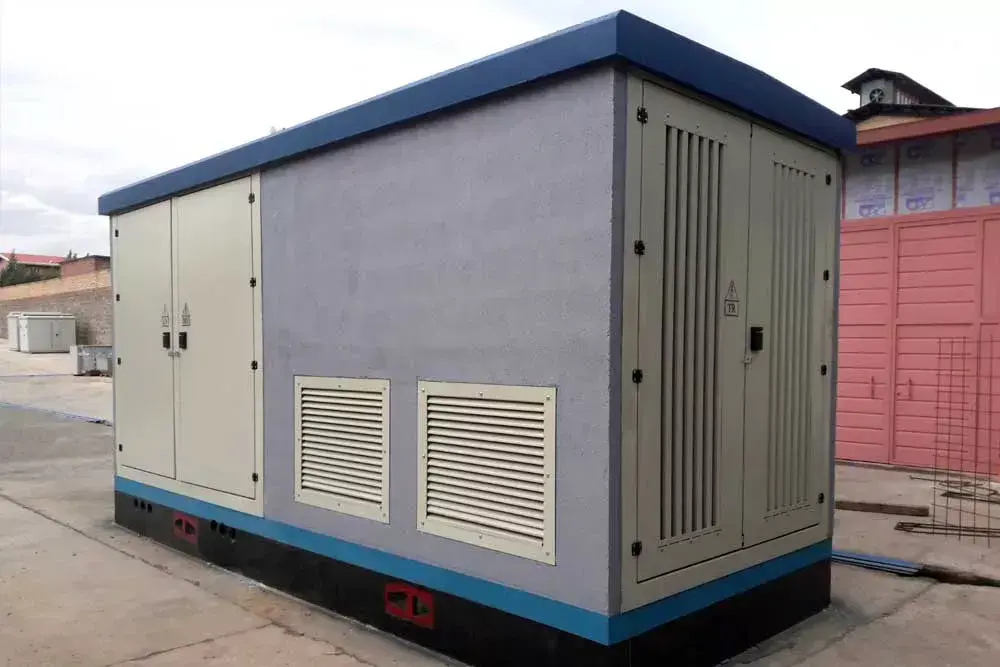
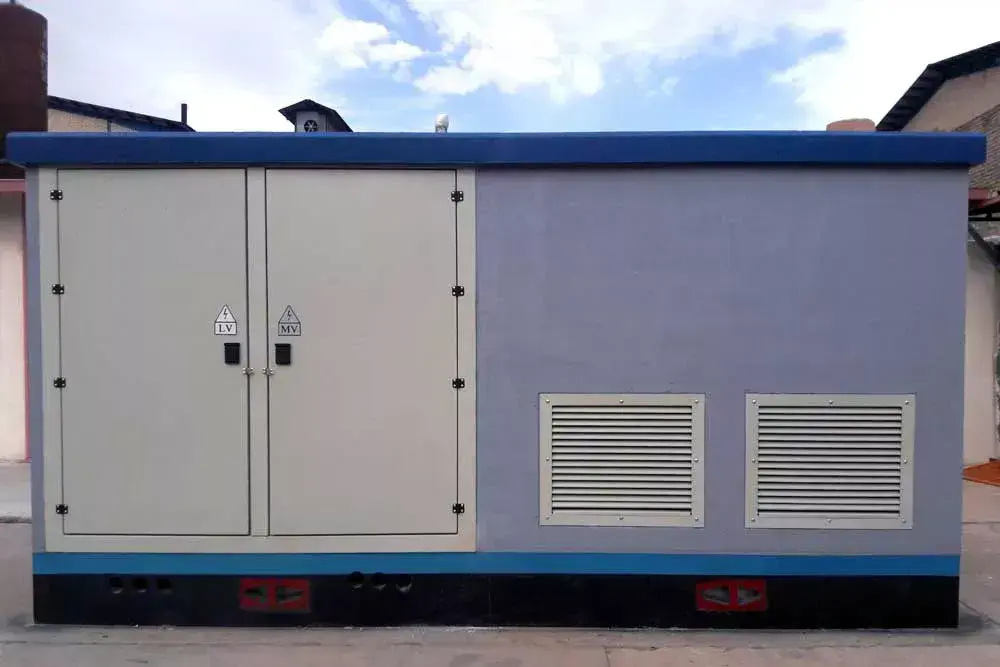
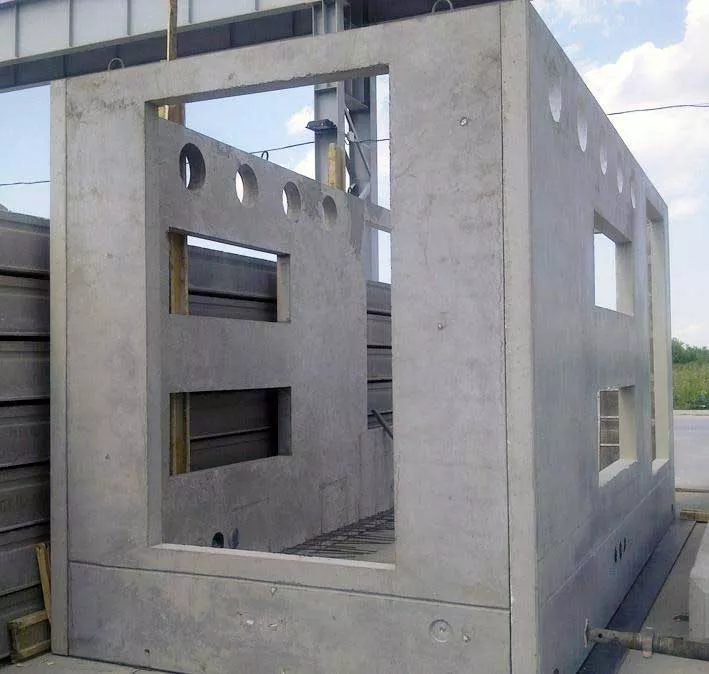
Ground-level full concrete substations are among the most practical types of substations in power distribution networks, widely used in cities, industrial areas, and large construction projects. These substations, with a fully concrete and prefabricated design, provide high safety, rapid installation, and long-term durability. Due to the reinforced concrete structure, they are a reliable option for diverse weather conditions and projects requiring high stability.
Ground-level full concrete substations are designed to ensure safe and stable power distribution, with all key components such as transformers, low and medium voltage Switchgears, grounding systems, and protective devices housed within a concrete enclosure. This specific design not only fully protects the equipment but also ensures the safety of the surrounding environment.
Features and Technical Specifications of Ground-Level Concrete Substations
- High Safety: The full concrete enclosure prevents unauthorized access and enhances equipment safety.
- Strength and Durability: Use of reinforced concrete resistant to impact, fire, and harsh environmental conditions.
- Weather Resistance: Reliable performance against moisture, rain, sunlight, and temperature variations.
- Fast and Easy Installation: Prefabricated design allows rapid on-site installation without the need for a foundation.
- Long Lifespan: Reduced maintenance costs due to higher durability compared to metal substations.
Main Components of Ground-Level Concrete Substations
- Distribution Transformer: Reduces network voltage to a level suitable for consumers and is fully secured inside the concrete enclosure.
- Medium and Low Voltage Switchgears: Used for control, monitoring, and energy distribution, providing protection against electrical faults.
- Protective Switches and Fuses: Automatically operate in case of overload or short circuits to protect equipment from serious damage.
- Grounding System: Ensures safety for personnel and equipment against leakage currents, providing a safe path for fault currents to the ground.
- Ventilation and Cooling System: Controls internal temperature to provide optimal conditions for continuous operation of the transformer and switchgears.
Applications of Ground-Level Concrete Substations
- Urban and rural power distribution networks
- Industrial areas and manufacturing plants
- Large construction projects and high-rise buildings
- Commercial complexes and residential centers
Advantages and Differences Compared to Metal Substations
- Higher Safety: The concrete enclosure minimizes accidental contact and unauthorized access.
- Greater Durability: More resistant to moisture and corrosion compared to metal substations.
- Lower Maintenance Costs: No need for anti-rust coating or continuous care.
- Structural Stability: Higher weight and strength, suitable for specialized and long-term projects.
- Lower Internal Temperature: Cooler transformer enclosure compared to metal bodies.
FAQ
- What is the difference between ground-level full concrete substations and metal substations?
- Ground-level concrete substations offer higher resistance to weather conditions, moisture, and fire. Thanks to reinforced concrete, these substations have a significantly longer lifespan compared to metal substations.
- Is the installation of full concrete substations time-consuming?
- No, these substations are prefabricated and designed for quick installation on-site without the need for a separate foundation.
- For which projects are ground-level concrete substations suitable?
- They are ideal for urban and rural power distribution networks, industrial plants, large construction projects, commercial centers, and residential complexes.
- Can these substations be customized?
- Yes, depending on the project requirements and power network specifications, concrete substations can be designed and produced with various capacities and equipment.