
All-in-One Solar Systems
Introduction to All-in-One Solar Systems
A modern and efficient solution for solar power plants
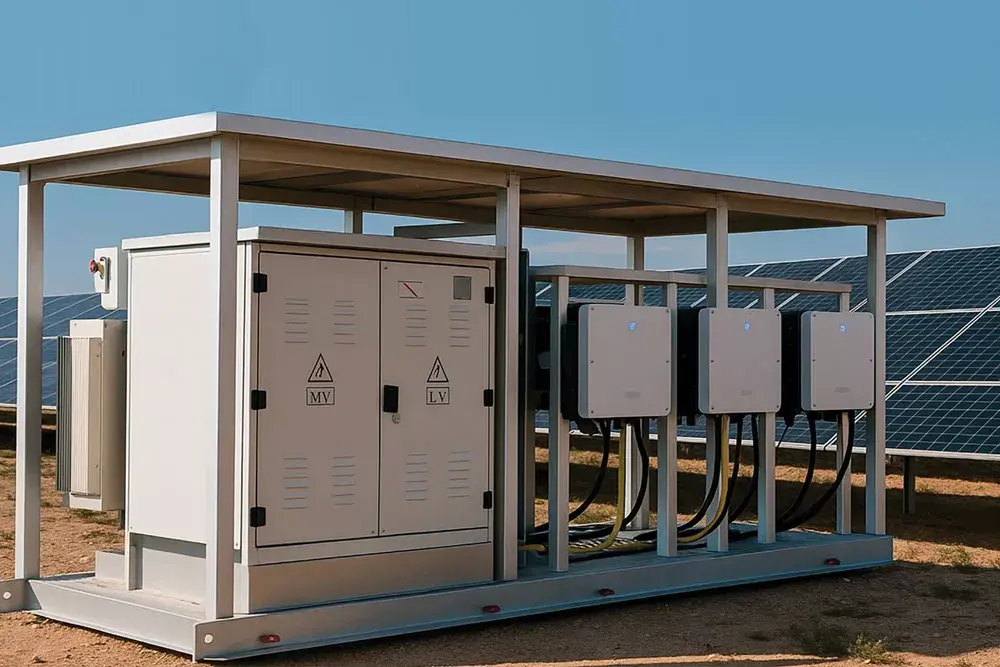
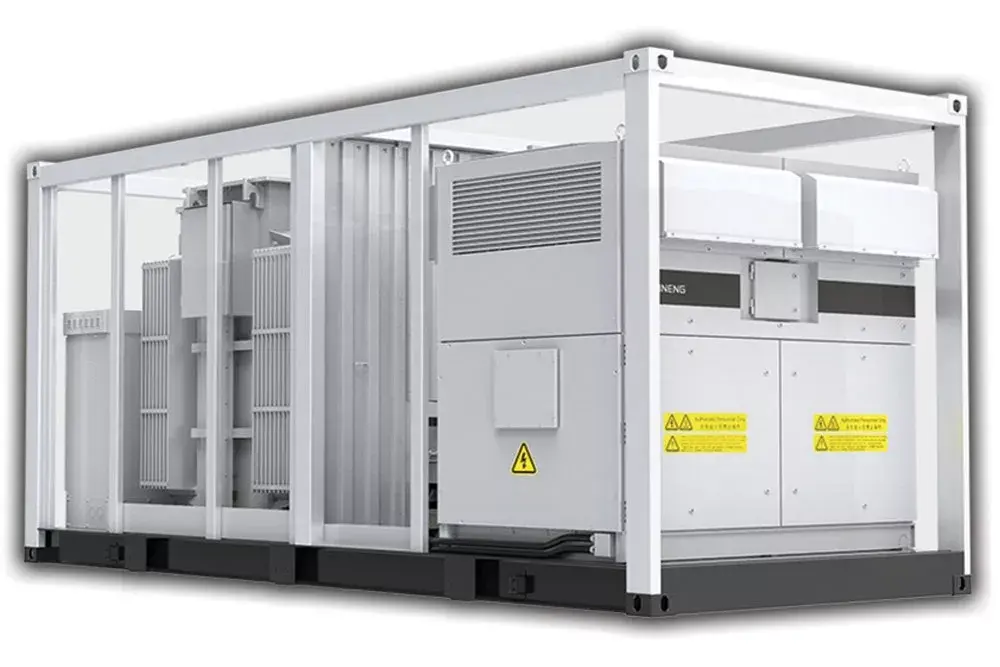
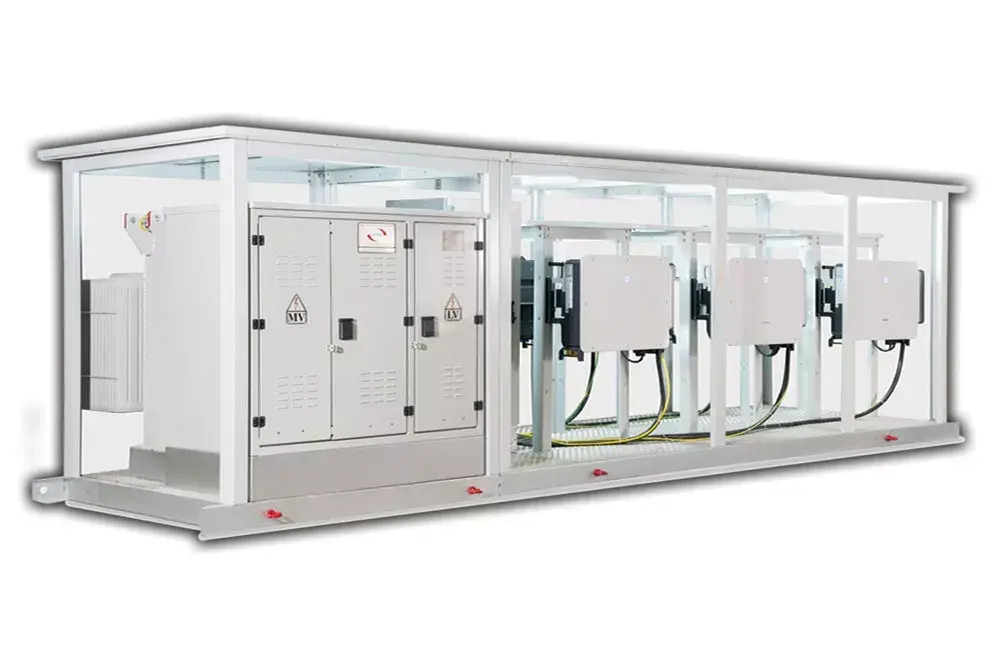
All-in-One Solar Systems are a new generation of solar power plant equipment designed to be modular, compact, and cost-effective. These systems integrate all key components of a solar power plant, including inverters, low and medium voltage switchgear, and transformers in a single structure. They are available in two types: String and Central, suitable for projects ranging from small-scale to multi-megawatt plants. Using these systems results in space savings, easier installation and transportation, and significantly reduces the commissioning time of the power plant.
Features and Technical Specifications of All-in-One Solar Systems
- Structure: Modular design for high flexibility across different projects
- Types: Available in Central and String versions
- Protection Level: Inverter IP65, other components IP54
- Advantages: Reduced installation space, easy handling and commissioning, shorter delivery time
- Cost-effectiveness: Reduced investment and operational costs
- Comprehensive engineering: Complete design including inverter, LV/MV switchgear, and transformer
Components of All-in-One Solar Systems
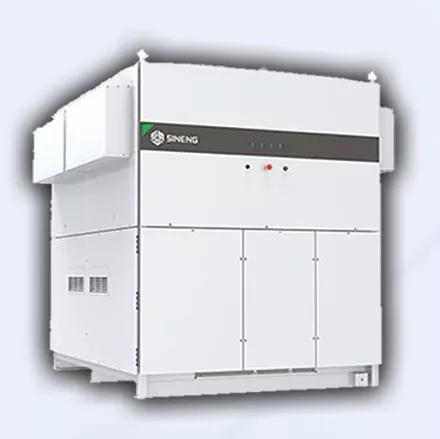
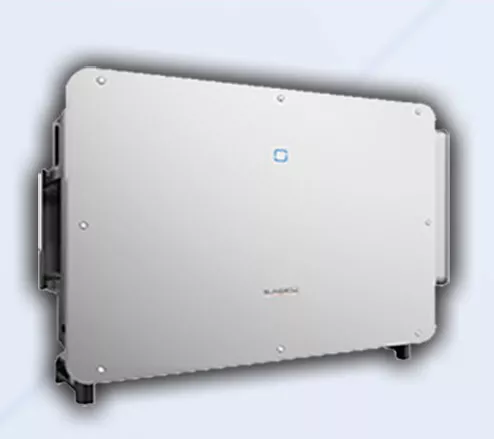
- Central Inverter: Converts DC current from solar panels to AC with high efficiency, centralized management, and lower cost per watt for large power plants.
- String Inverter: Converts DC from each string of panels to AC, easy to install, smaller scale, suitable for small and medium solar plants.
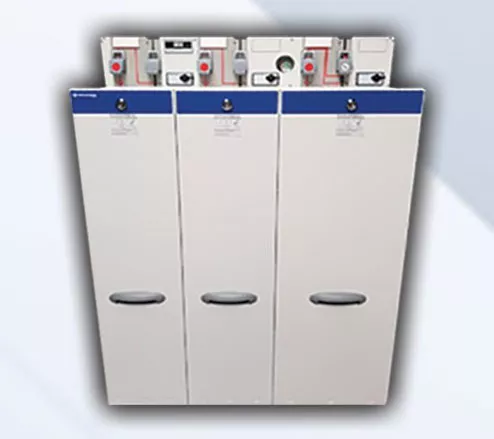
- MV Switchgear: Medium voltage switching, protection, and control equipment with overload protection and monitoring (AIS or GIS)
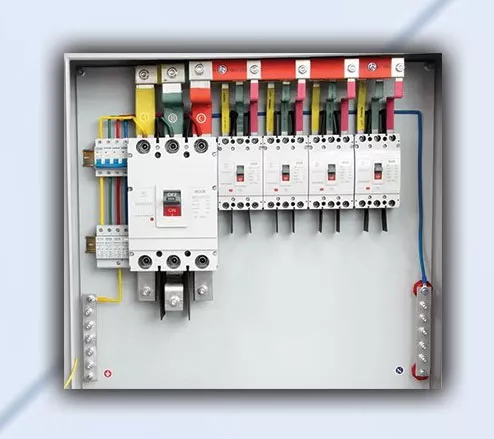
- LV Switchgear: Switching and protection of LV circuits, transferring AC power from inverters to the transformer
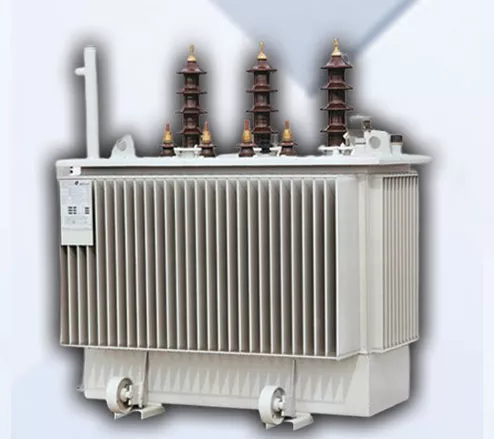
- Transformer: Steps up LV output voltage to MV for grid connection, reduces losses, and improves transmission efficiency
Power Range and Capacities
- String Type: Suitable for 400kW to 15MW plants – 400kVA to 2.5MVA with 20kV voltage
- Central Type: Suitable for 10MW+ plants – 3.5MVA to 6.5MVA with 20kV voltage
Applications of All-in-One Solar Systems
- Small, medium, and large-scale solar power plants
- Hybrid solar-wind power plants
- EPC projects requiring fast installation and short commissioning time
Advantages of All-in-One Solar Systems
- Full Integration: All main components in a single module
- Quick and Easy Installation: Reduces installation and commissioning time
- Cost Reduction: Saves on initial investment and maintenance costs
- Flexibility: Choice between Central or String version according to project needs
Technical Specifications of Integrated Solar Systems
| Model | All in One with String Inverter | All in One with Central Inverter |
|---|---|---|
| Input (DC) | ||
| Max. PV input voltage | Up to 1500V | Up to 1500V |
| Max. input current | Up to 8×12×45A | Up to 5,736A |
| MPP voltage range for nominal power | 880~1300V | 900~1300V |
| Number of MPPT trackers | Up to 8×12 | Up to 4 |
| Max. Number of DC inputs | Up to 8×24 (Optional: 28/32) | Up to 20 (Maximum: 32 inputs) |
| Output (AC) | ||
| AC output power | Up to 8×352kW@30°C / 8×320kW@40°C / 8×295kW@50°C | Up to 4400kW@45°C / 5060kW@25°C |
| AC voltage range | Up to ±24V | |
| Rated grid frequency/range | 50 Hz / ±5 Hz | |
| Output current harmonic (at nominal power) | <3% | <3% |
| DC current injection | <0.5% | <0.5% |
| Power factor at nominal power/range | >0.99 / 0.8 lagging to 0.8 leading | >0.99 / 0.8 lagging to 0.8 leading |
| Protection | ||
| DC input protection | Circuit Breaker | Load Break Switch + Fuse |
| AC output protection | Circuit Breaker | Circuit Breaker |
| AC MV output protection | (Load Break Switch + Fuse) or Circuit Breaker | Circuit Breaker |
| Over voltage protection | DC Type II / AC Type II | DC Type II / AC Type II |
| Leakage current monitoring | Yes | Yes |
| Grid monitoring / Ground fault monitoring | Yes / Optional | Yes / Yes |
| Insulation monitoring | Yes | Yes |
| Overheat protection | - | Yes |
| Night SVG function | - | Optional |
| Anti-PID function | - | Optional |
| Efficiency | ||
| Max. efficiency | 99.0% | 99.0% |
| EU efficiency | 98.8% | 98.7% |
| Transformer | ||
| Transformer rated power | Up to 2500kVA | Up to 5500kVA |
| Transformer max. power | Up to 2816kVA | Up to 6325kVA |
| LV/MV voltage | 0.8/20kV | 0.6 or 0.63/20 |
| Vector group | Dyn11 | Dyn11 |
| Transformer type | ONAN (Oil Natural Air Natural) | ONAN (Oil Natural Air Natural) |
| General Data | ||
| Auxiliary power supply | Up to 5kVA | Up to 5kVA, Optional: max. 40kVA |
| Protection level | Inverter: IP66; Others: IP54 | Inverter: IP65; Others: IP54 |
| Temperature | -30°C ~ +60°C | -30°C ~ +60°C |
| Allowed humidity (non-condensing) | 0~100% | 0~95% |
| Cooling method | Temperature controlled forced air cooling | Temperature controlled forced air cooling |
| Max. operating altitude | 1800m (standard) / >1800m (optional) | 1800m (standard) / >1800m (optional) |
| Display | - | Standard: LED indicator, Bluetooth + APP; Optional: Touch screen |
| Communication port | Standard: PLC, Optional: RS485 | Standard: RS485 / Ethernet, Optional: Optical fiber |
| Certificates and approvals | CE, IEC 62109, IEC 61727, IEC 61683, IEC 62116, IEC 60068, IEC 61000, IEC 60076, IEC 62271 | |
FAQ
- What is an All-in-One Solar System?
- This system represents the next generation of solar power plant equipment, integrating the inverter, low and medium voltage switchgear, and transformer into a modular and unified structure.
- What is the difference between central and string inverters?
- The central inverter is suitable for large-scale power plants with centralized management and lower costs, whereas the string inverter is ideal for small to medium-sized plants, offering easier installation and higher flexibility.
- What is the power range of these systems?
- String type: 400 kW to 15 MW (400 kVA to 2.5 MVA), Central type: 10 MW and above (3.5 MVA to 6.5 MVA) with 20 kV voltage.
- What are the advantages of using All-in-One Solar Systems?
- Cost savings and reduced installation time, flexibility in choosing between central and string types, and faster plant commissioning.
- Are these systems suitable for hot climates?
- Yes, the thermal design of these systems is optimized for hot conditions and regions with high solar irradiation.