
Solar Panel Structures
Introduction to Solar Panel Structures
Durable and optimized structures for solar panel installation and maintenance
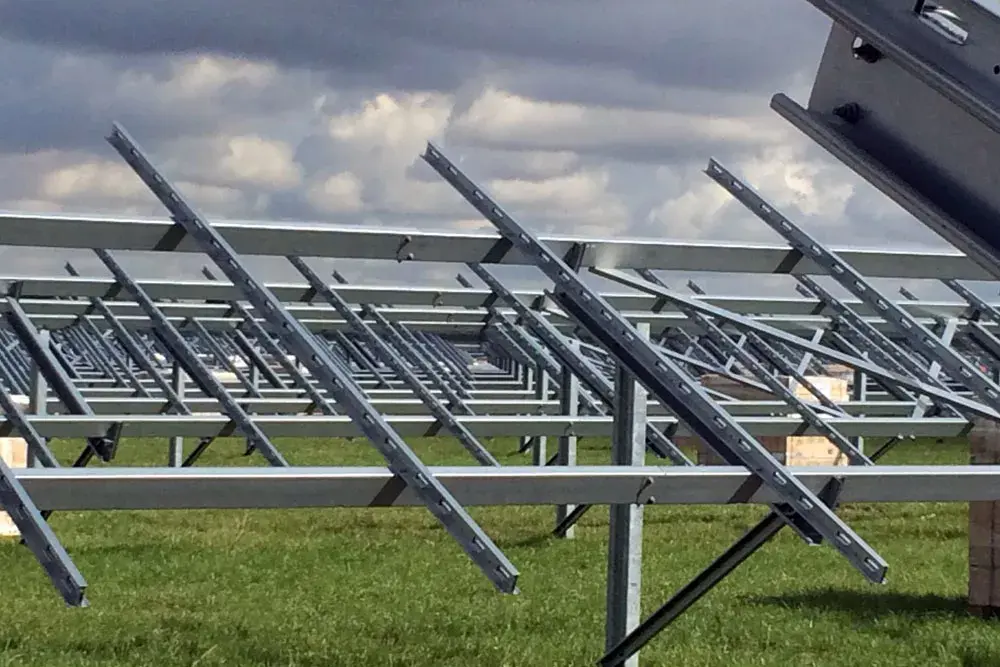
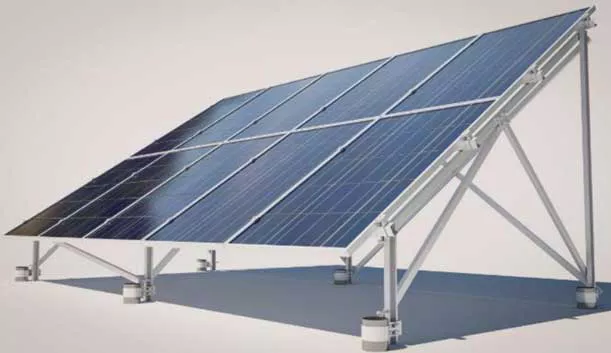
Solar panel structures refer to the framework on which solar panels are mounted at a specific angle relative to sunlight. The choice of structure plays a key role in the performance of solar systems, as it not only ensures secure panel support but also directly affects energy efficiency. In many technical references, these components are also known as solar structures.
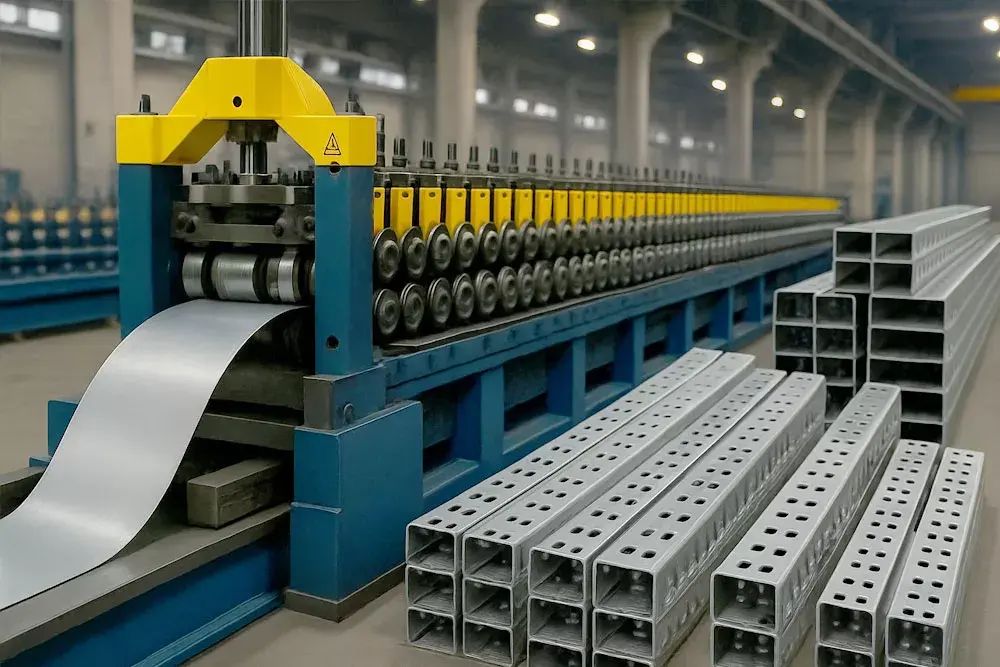
Solar structures are typically made of aluminum or galvanized steel to withstand humidity and strong winds up to 120 km/h. In some projects, wooden or plastic structures are used, but the strength and durability of galvanized metals and aluminum make them a more reliable choice for diverse environmental conditions.
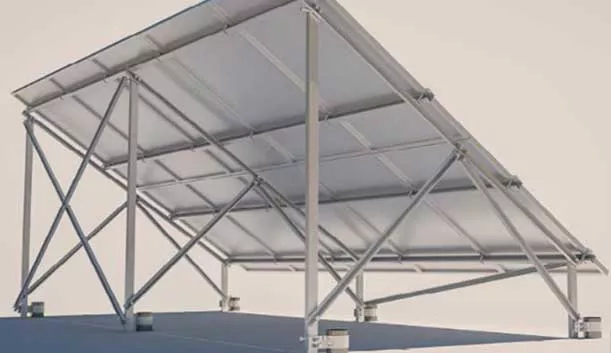
The strength and proper design of solar panel structures are especially important, as this part must provide secure support for panels while enabling safe installation and easy maintenance. Structures are designed for rapid assembly without the need for welding or complex machining. For rooftop installations, a distance of about 50 cm from the roof edge is recommended to ensure safety and better accessibility.
Generally, solar panel structures are classified into two main categories: ground-mounted and roof-mounted. Each category includes various designs based on installation site, climatic conditions, and project type. These structures not only stabilize the panels but also allow easy cleaning of the top and bottom surfaces and access to their junction boxes.
Features and Technical Specifications of Solar Panel Structures
- Wind Resistance: Able to withstand wind speeds up to 120 km/h
- Moisture Resistance: Made of materials resistant to humidity and corrosion
- Easy Installation: Modular design without the need for welding or complex machining
- Installation Type: Can be installed on the ground, roof, façade, or open areas
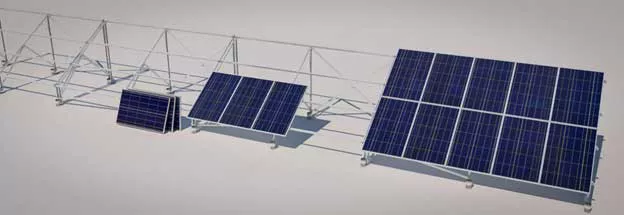
- Standard Dimensions: Compatible with various solar panel sizes
- Safety: Durable design ensuring long-term structural stability
Applications of Solar Panel Structures
- Solar power plants of various scales
- Rooftop installations for residential and commercial buildings
- Solar structures in parking lots and canopies
- Rural and agricultural solar projects
Advantages of Solar Structures
- High Durability: Use of aluminum and galvanized steel
- Environmental Resistance: Reliable performance against humidity and strong winds
- Quick and Easy Installation: Reduces project execution time
- Flexibility: Suitable for small projects to large power plants
- Energy Optimization: Accurate positioning of panels at the optimal angle for sunlight
FAQ
- What is a solar panel structure and what is it used for?
- A solar panel structure is a framework on which solar panels are mounted at the optimal angle relative to the sun. These structures securely hold the panels and increase energy efficiency.
- What materials are solar structures made of?
- They are primarily made of aluminum and hot-dip galvanized steel to resist humidity, corrosion, and strong winds. In some projects, wood or plastic is also used.
- What types of solar structures are available?
- Solar structures are mainly divided into two categories: ground-mounted and roof-mounted. Each category includes various designs chosen according to the installation site and project conditions.
- How is a solar panel structure installed?
- The structure is designed for quick and easy installation without welding or complex machining, using only bolt-and-nut connections.
- How can panels be cleaned and maintained on the structure?
- The design allows easy access to the top and bottom of the panels and their junction boxes, making cleaning and routine inspections simple.